Focus Block: Information Form
To encourage economic growth and the introduction of new methods, ideas, or products, innovation hubs across Portugal bring together: researchers or research teams, individuals who have or are establishing a business or businesses (entrepreneurs), new companies built for rapid and high growth (startups), individuals and organizations that provide financial capital to new companies in exchange for equity or ownership stake (investors), worldwide technology corporations, and government bodies.
Focus Block: offers two-week long, semi-public production sessions for visual artists that culminate in group exhibitions, providing visual artists with the opportunity to practice at venues that emphasize their role as entrepreneurs in the cultural industry.
Beginning on the first Monday of each session, passersby and guests are invited to spectate as the contemporary art show unfolds, keeping in mind that the participants are in-studio. Focus Block: is also the starting title of the group exhibition that the artists are tasked with developing as they produce.
Not only does Focus Block: direct the participating self-employed artists toward resources marketed to entrepreneurs, such as free business consulting through New Business LE+, its aim is to set them up to be considered fit for peer-to-artist funding by angel investors.
Previous Focus Block: Events
2026 - Beato Innovation District:
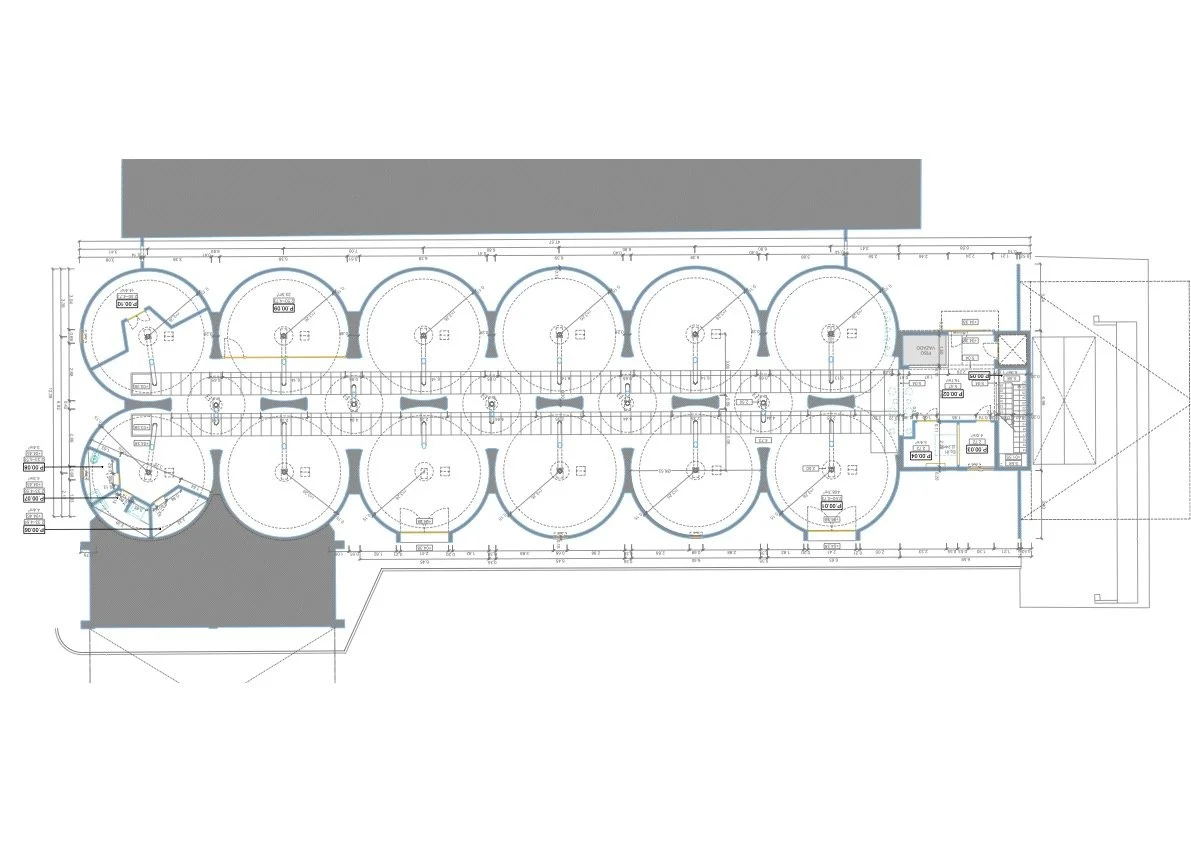
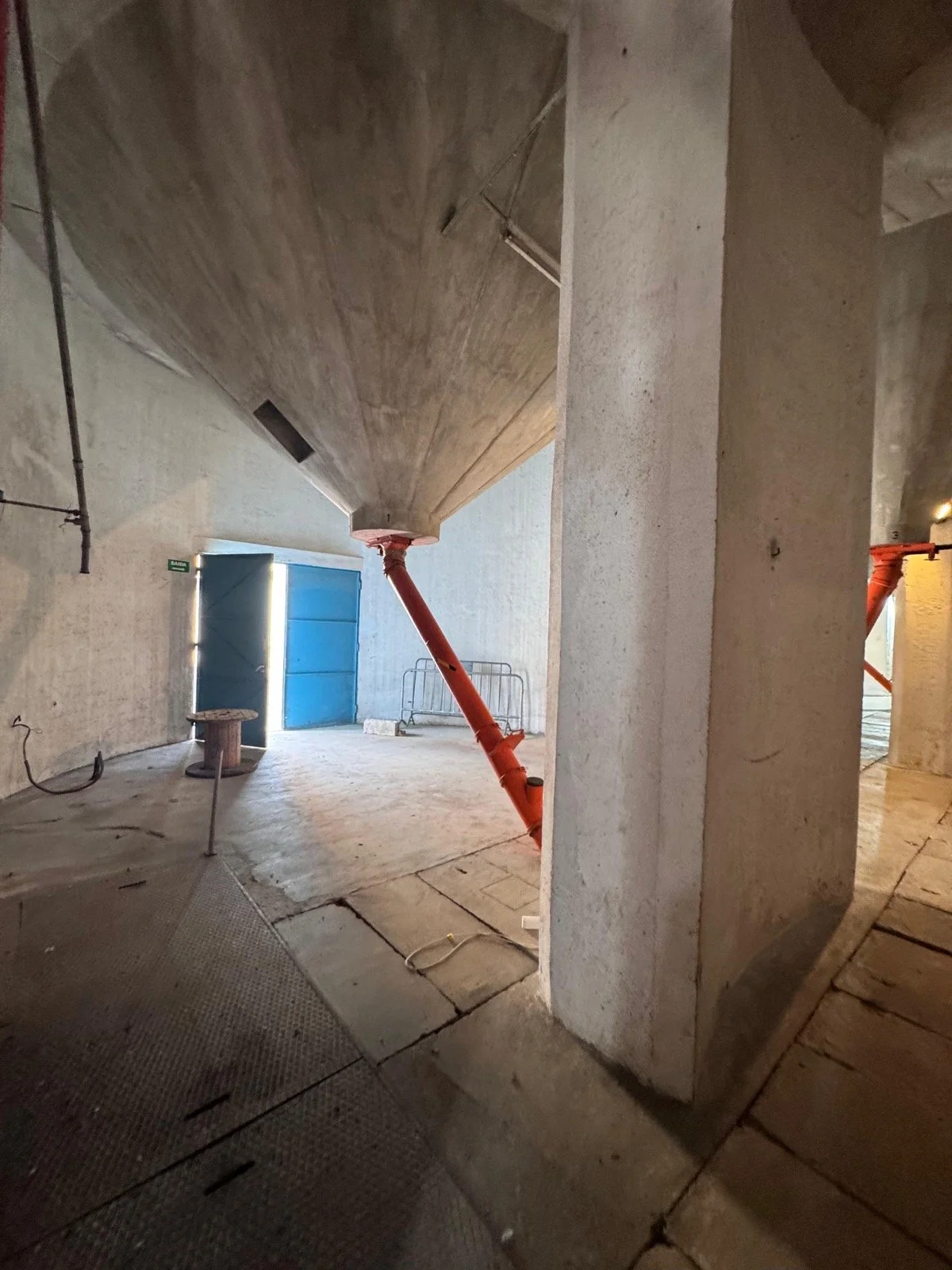
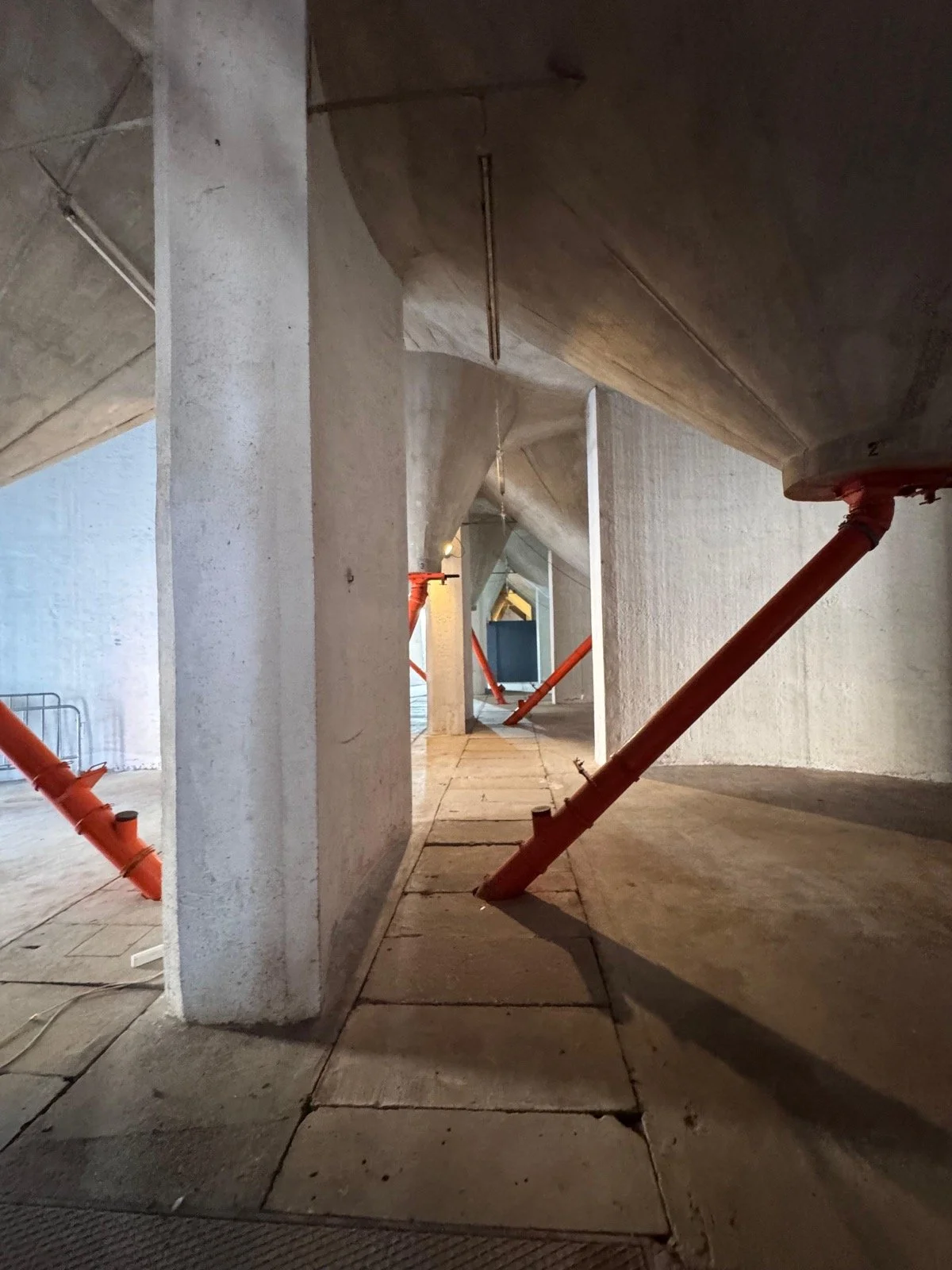
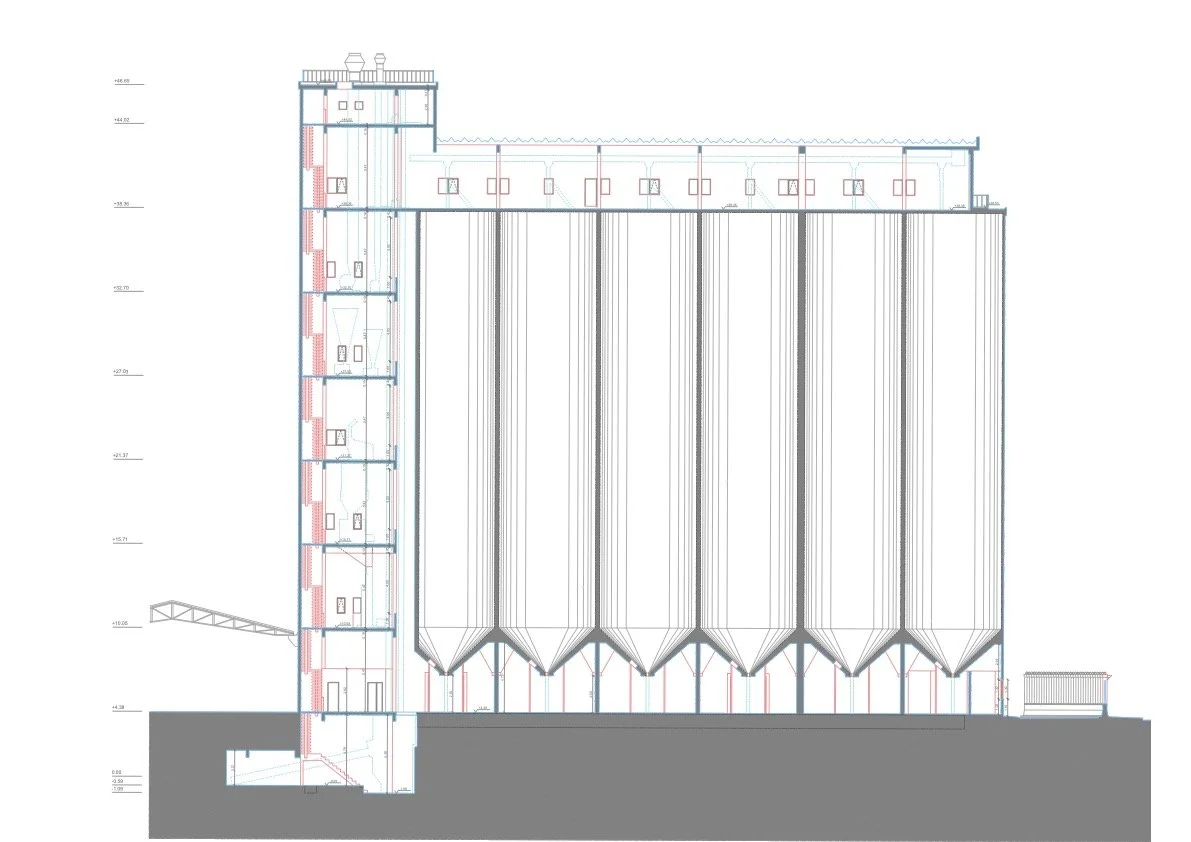
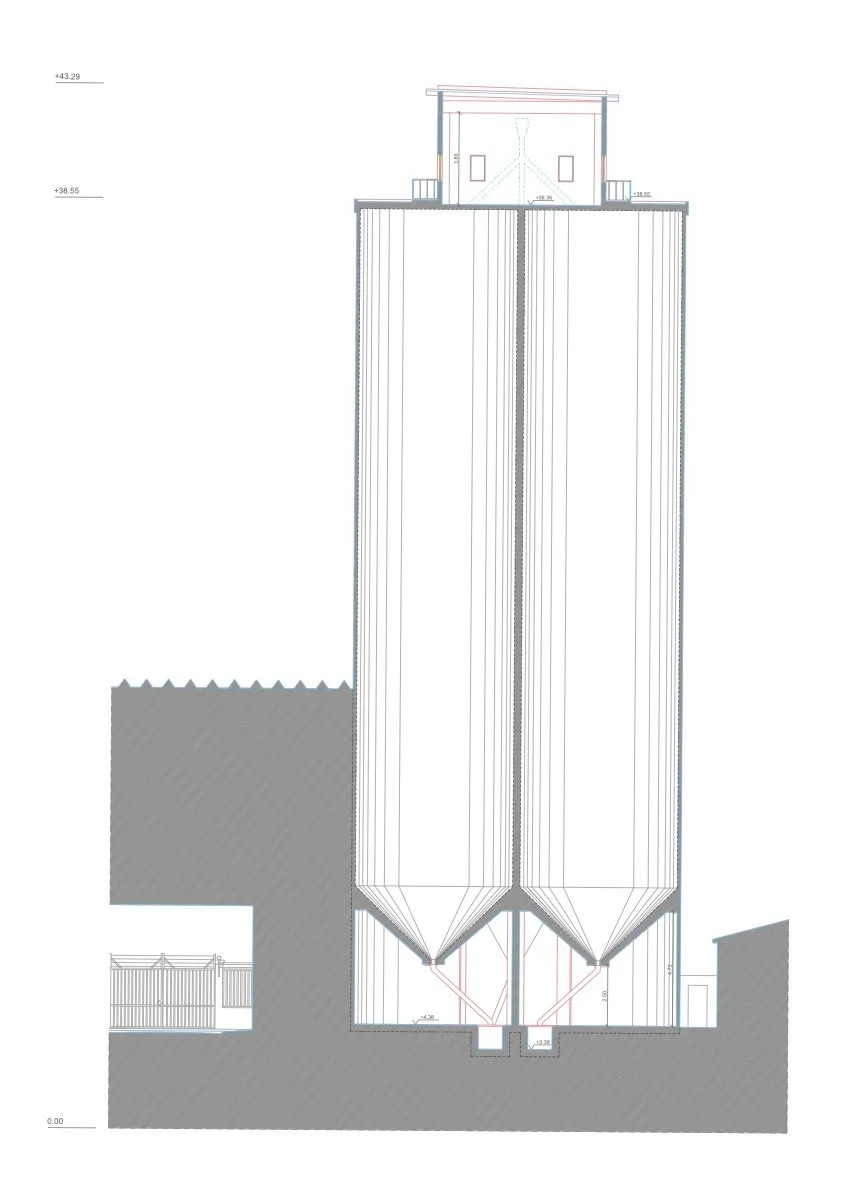
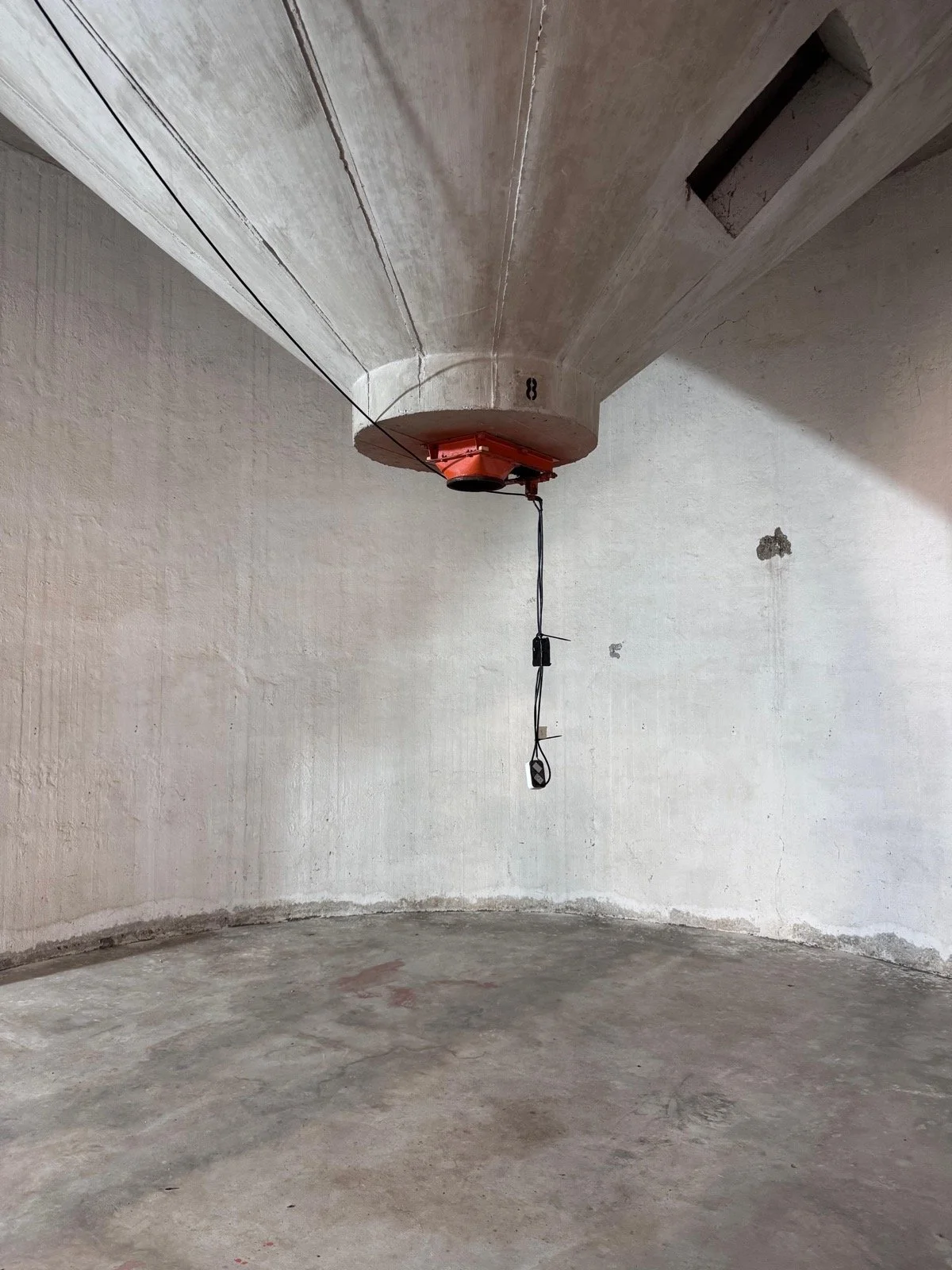
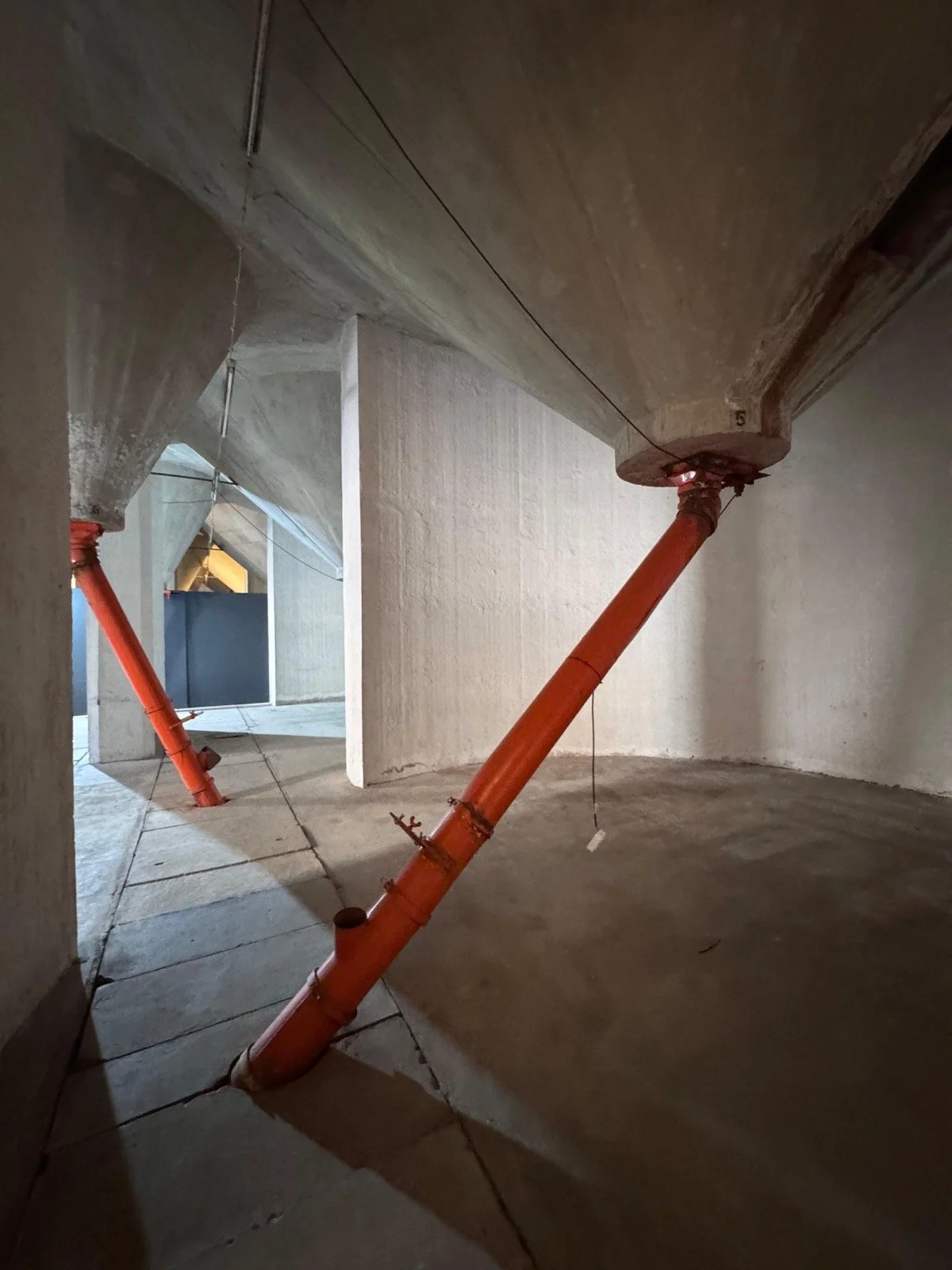
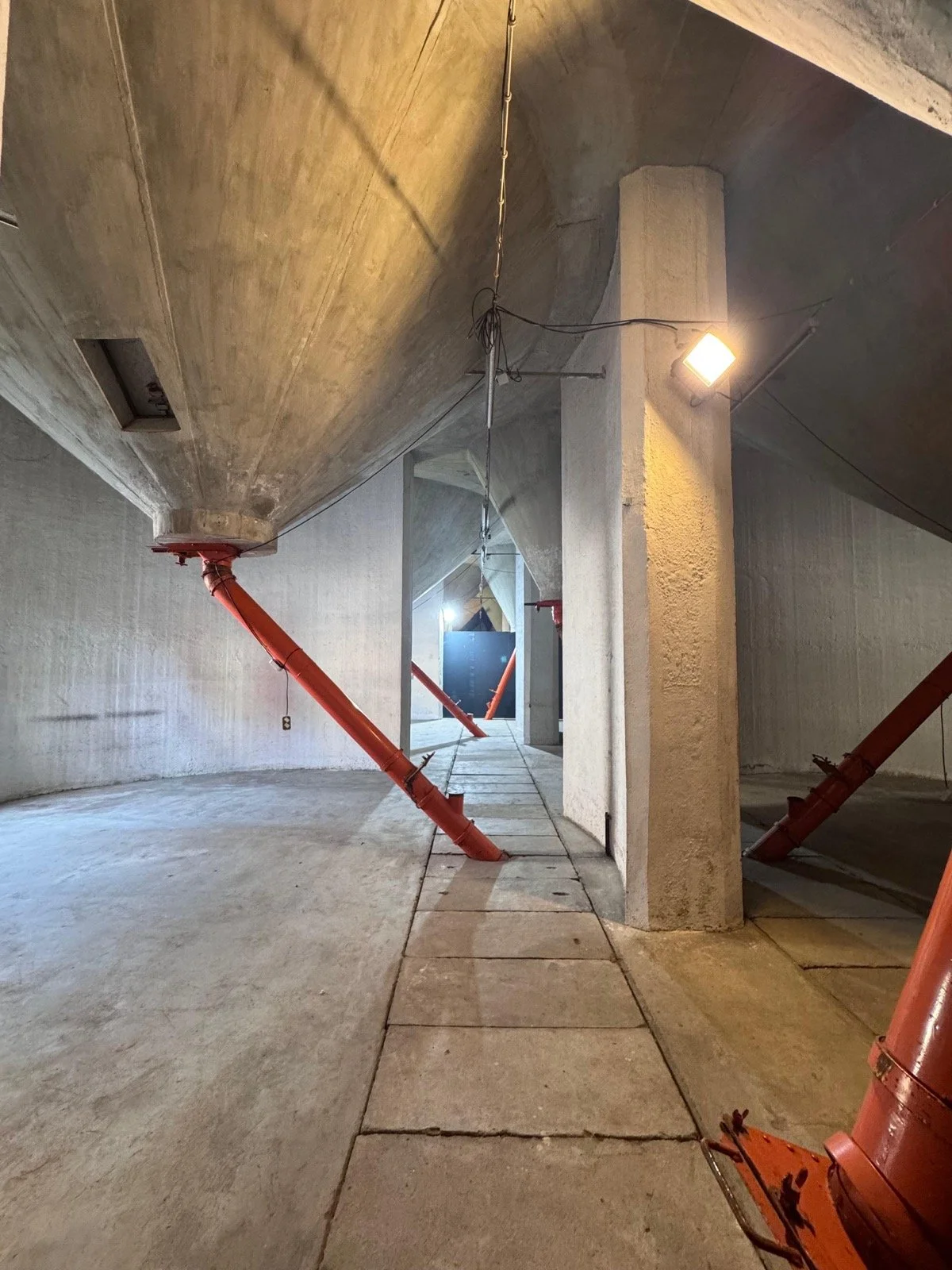
Focus Block:, a two-week long, semi-public production session for five visual artists, was scheduled to take place on the ground floor of the concrete silos at the Beato Innovation District, culminating in a group exhibition—beginning at 11h on the morning of Monday, September 14th and remaining open daily from 11h to 20h through the 25th. The exhibition closing was to be held on the 25th from 20h to 23h. To learn more about why Love-McCorkle has postponed the event scheduled to take place at the Beato Innovation District, read here.